
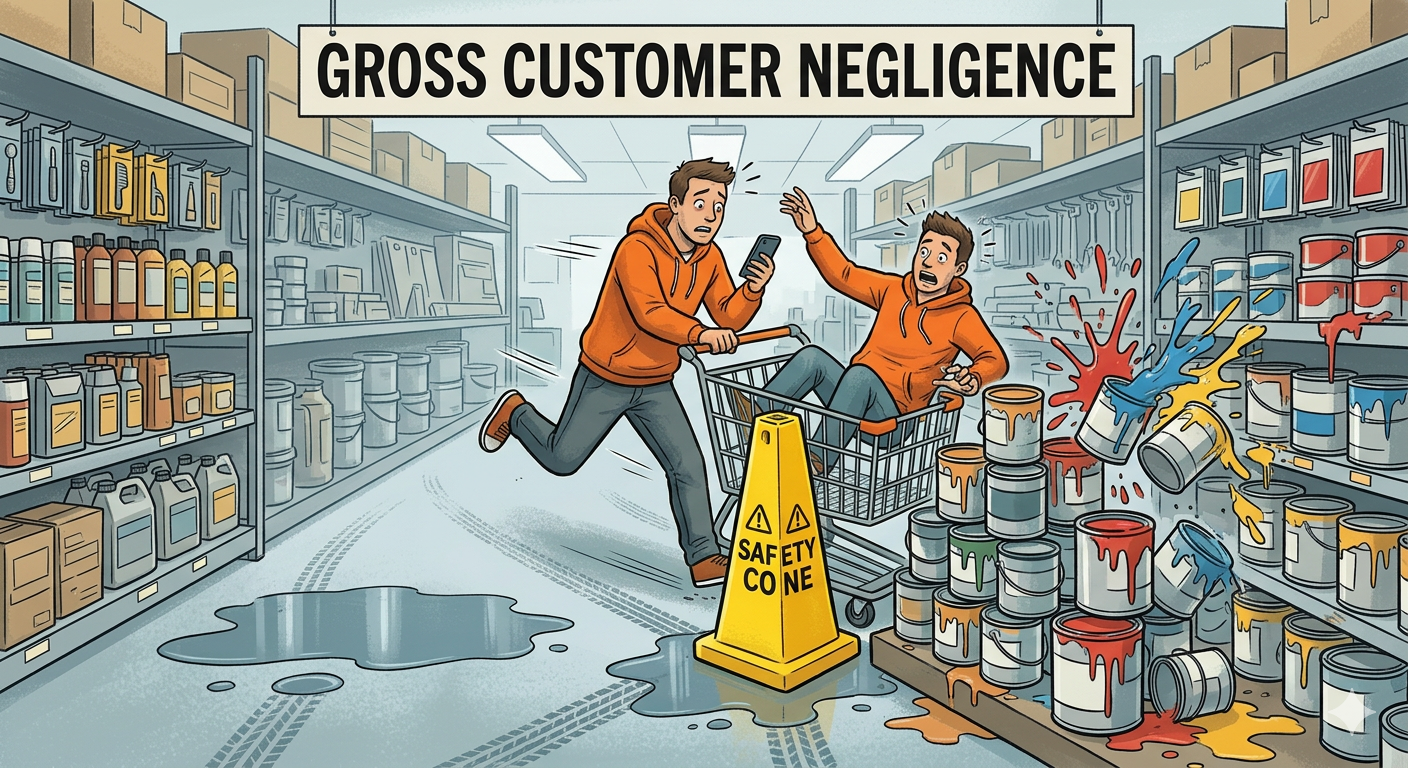
On 6th March 2026, the Reserve Bank of India, released well-intentioned draft amendment directions for ‘Review of Framework of Limiting Customer Liability in Digital Transactions’. The Mint report on RBI’s draft is available here. A bona fide victim, of digital fraud involving gross loss of an amount up to ₹50,000 shall be compensated 85% of the net loss amount (calculated after reducing recoveries made), or ₹25,000, whichever is less, once during his / her lifetime. This compensation would be paid by the banks and the RBI.
Whereas this is well-intentioned, it is seriously flawed and needs a simple essential correction to fix the design. Let me explain:
- Such a direction is unfair to non-negligent customers as they will cross-subsidize negligent customers given that banks will likely pass on their higher cost of operations. It is unjust to the citizens as lesser dividends from the RBI to Government of India means lesser funds for public expenditure.
- “bona fide victim” designation is always going to have challenges and can derail the implementation. Putting the onus on the bank to prove customer negligence means that there could be scams in making claims!
- The assumed equivalence between physical signatures and OTP based consent will be broken. Finality of a transaction needs to be on par for such an equivalence. Any repudiation of a transaction for reasons not allowed for a physical transaction can break the equivalence. This could seriously harm digital consent in the future.
- What next: ask good drivers (or car manufacturers that pass on such costs to good drivers) and the Government of India (or a State Government or local government) to compensate grossly negligent drivers for the damages caused to their vehicles! That too would be unfair and unjust. Reductio ad absurdum!
Simple essential correction to fix the design
By default enroll all customers in a customer negligence insurance policy for which they have to pay an annual premium. Allow customers to opt-out if the deem the premium as expensive. Over a period of time the alert customers would pay a lower premium and this would incentivize everyone —who seeks such an insurance—to be more alert and less negligent. This will lead to a better system!
Note-1: The RBI press release is available here.
Note-2: In this article wilful sharing of banking credentials by a customer with a scamster is considered a case of gross negligence.
Aniruddha M Godbole is an AI Solution Architect. These are his personal views.